Practical, up-to-date information to help you plan your visit to the Vatican Museums and the Sistine Chapel — tickets, hours, what to see and how much time to set aside.
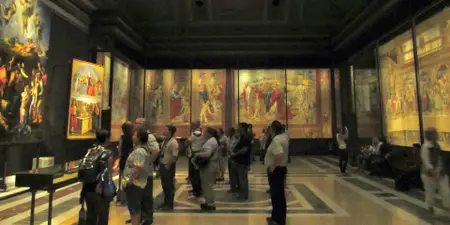
The Vatican Museums are one of the world's largest museum complexes, home to the Sistine Chapel, the Raphael Rooms and thousands of works collected by the popes over five centuries. Most first-time visitors need 2.5–3 hours to see the highlights, and booking a timed-entry ticket in advance is strongly recommended.
Standard ticket€20 at the door, €25 with skip-the-line booking
Nearest metroOttaviano–San Pietro (Line A)
Best time to goWeekday mornings, right at opening
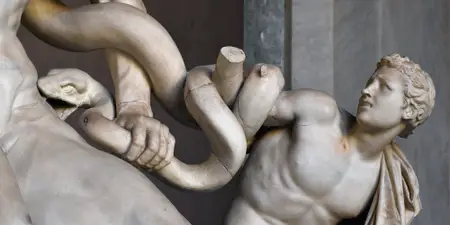
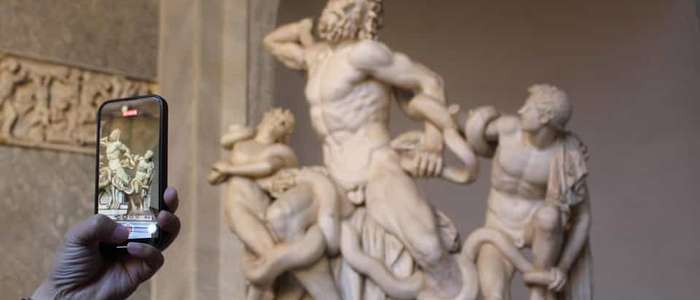
The Vatican Museums trace back to a single sculpture — the Laocoön, unearthed in Rome in 1506 and
acquired by Pope Julius II — and have grown over five centuries into one of the largest and richest
museum complexes in the world, spread across roughly 7 kilometres of galleries.
What's inside
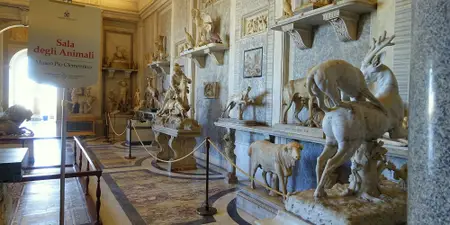
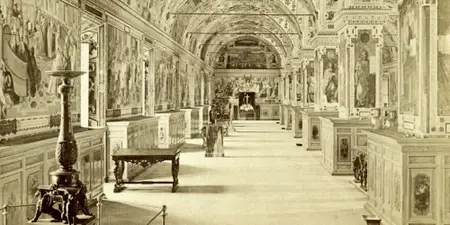
The collection is organised into more than 50 galleries and museums within the complex, including:
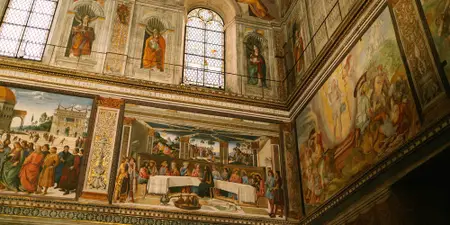
The Sistine Chapel, decorated by Michelangelo, visited at the end of the main route
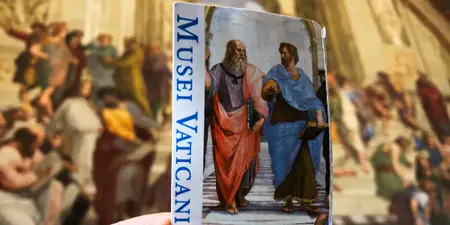
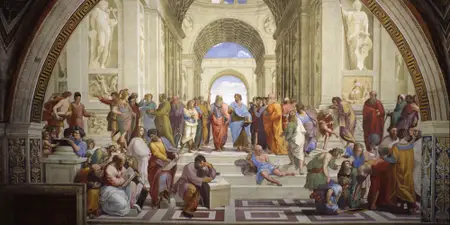
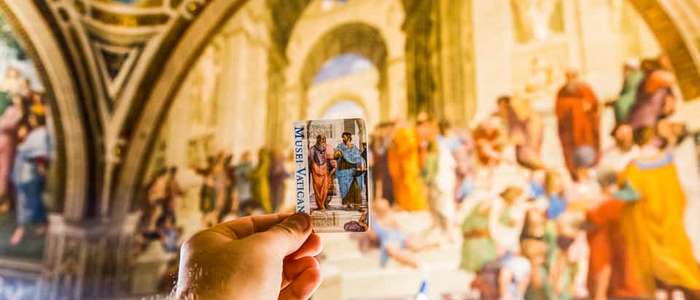
The Raphael Rooms, frescoed by Raphael and his workshop, including the School of Athens
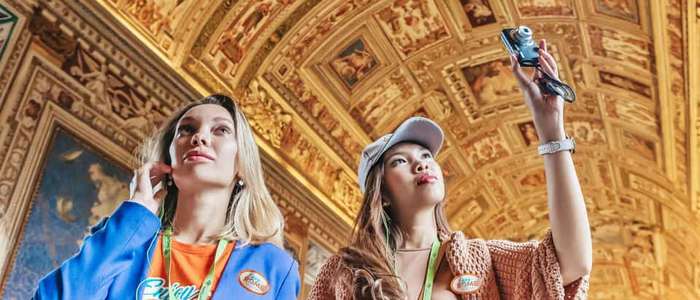
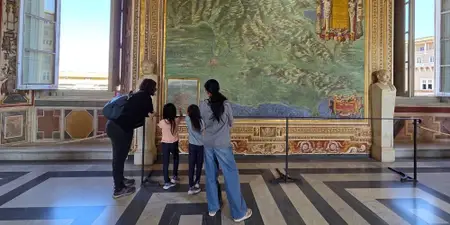
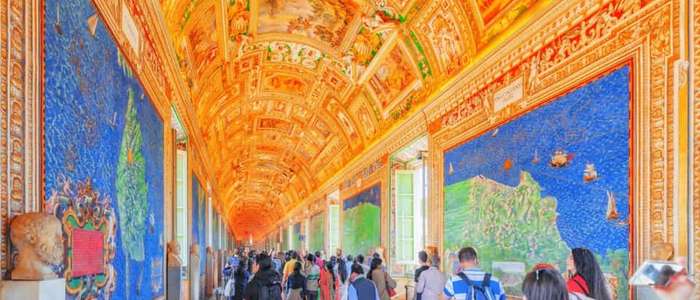
The Gallery of Maps, a 120-metre corridor of 16th-century topographical frescoes
The Pinacoteca (picture gallery), with works by Raphael, Caravaggio and Leonardo
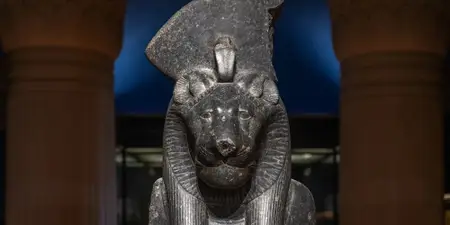
The Egyptian Museum, one of the largest collections of Egyptian antiquities outside Egypt
How to get there
The entrance is on Viale Vaticano, a short walk from the Ottaviano–San Pietro stop on Rome's Metro
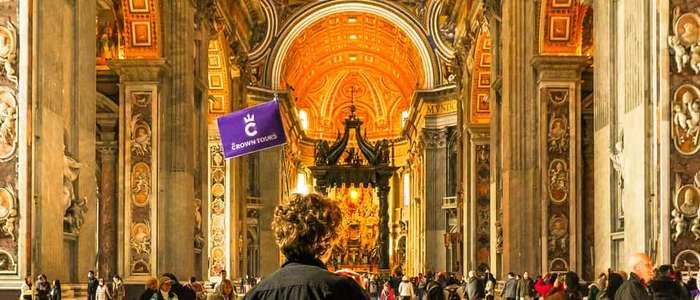
Line A. It is a separate entrance from St. Peter's Basilica and St. Peter's Square — the two are not
directly connected inside Vatican City, so plan for a short walk between them.
Are the Vatican Museums and the Sistine Chapel the same thing?
No. The Sistine Chapel is part of the Vatican Museums complex and is visited on the same ticket, as the final stop of the standard route.
Do I need to book in advance?
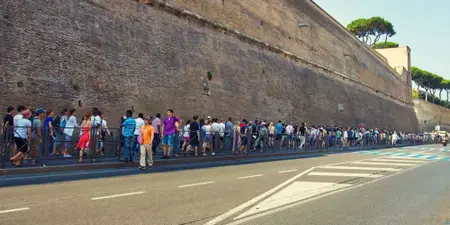
It's strongly recommended, especially from April to October, on Wednesday mornings, and around Christmas and Easter, when walk-up queues can exceed an hour.
How many works are actually on display across the Vatican Museums?
Around 20,000 pieces are on public display out of a much larger total collection, spread across more than 50 galleries — still far more than any single visit can cover.
Is the Vatican Museums the same thing as the Vatican itself?
No — the Museums are one part of Vatican City, distinct from St. Peter's Basilica and the rest of the state, though they're commonly the main reason visitors come.