From a marshy Roman district to a sovereign city-state: how the Vatican became what it is today.
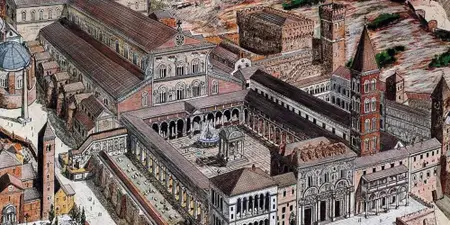
The Vatican's story starts almost 2,000 years before Vatican City existed: a low-lying, unfashionable district across the Tiber, a Roman circus, an apostle's grave, and — only much later — the basilica, the museums and the sovereign state visitors see today.
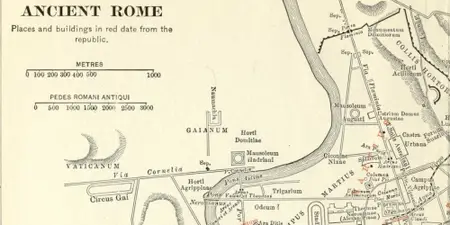
Name comes fromAger Vaticanus, a marshy district outside ancient Rome
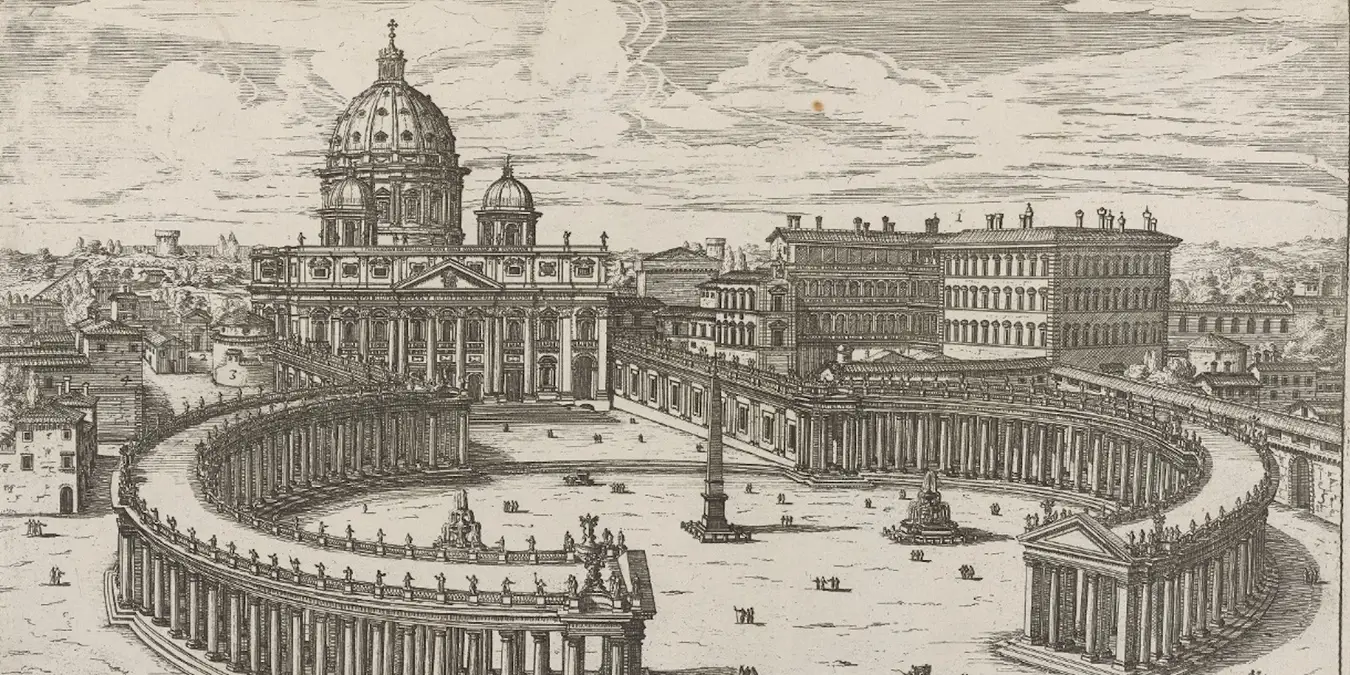
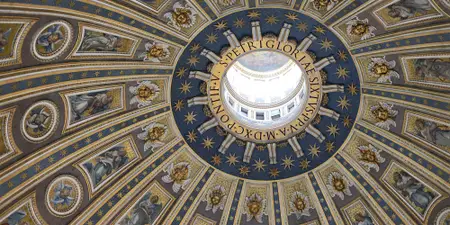
Present basilica begun1506, under Julius II
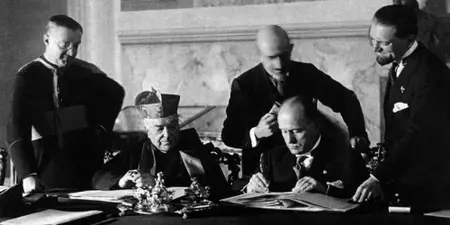
Sovereign state since1929, Lateran Treaty
Most visitors arrive knowing the Vatican as a place of grand basilicas and famous museums. That version is only the last chapter of a much longer story.
Before it was Christian
Long before any pope set foot there, the area was the Ager Vaticanus — marshland the Romans considered unhealthy and unfashionable, used for a circus, a scattering of villas, and a cemetery.
A grave that changed everything
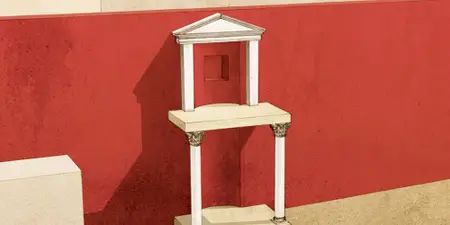
An apostle's burial in that ordinary cemetery, and an emperor's decision to build over it rather than move it, is the reason the Vatican is where it is at all.
From building site to sovereign state
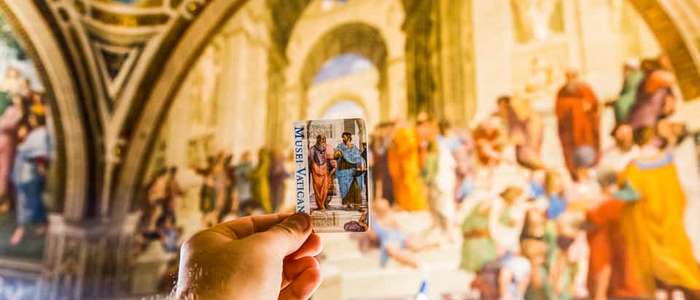
Centuries of rebuilding, art commissions and political upheaval followed, ending in 1929 when the Lateran Treaty made Vatican City the world's smallest sovereign state.
The site has evidence of use going back to the 1st century AD, though Vatican City as a sovereign state only dates to 1929.
Is 'the Vatican' a place, a state, or a church?
All three, depending on context: a hill and district (geographic), Vatican City (the 1929 sovereign state), and the Holy See (the Church's central governing authority) — related but not identical.
When did the Vatican become a sovereign state in the modern sense?
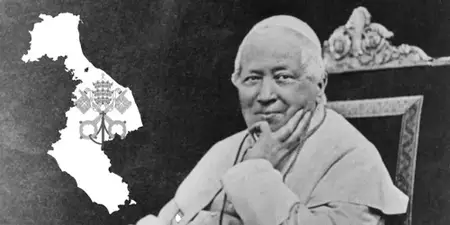
In 1929, under the Lateran Treaty between the Holy See and the Kingdom of Italy — before that, the papacy's territorial status had been unresolved for decades.
Is most of what visitors see today medieval, or is it more recent than that?
Mostly Renaissance and later — while the Vatican's religious history reaches back to antiquity, the buildings and art visitors actually walk through date largely from the 1500s onward.