The odd, the overlooked, and the frequently misremembered — with fact, tradition and myth kept clearly apart.
From an Egyptian obelisk that never fell to a Swiss Guard uniform wrongly credited to Michelangelo, the Vatican's best stories rarely need exaggeration — they need someone to separate what's documented from what's just repeated.
FormatFact, tradition, legend and myth, always labelled
Not includedAnything sensationalised at the expense of accuracy
Best starting pointThe Vatican Obelisk — verified fact and debunked myth in one story
Related pillarsHistory, Art, Religion
Every place this old accumulates stories — some verified, some traditional, some simply wrong but repeated for centuries. All three are worth knowing, as long as they're kept apart.
Why the labels matter
Each story here marks its claims as FACT, TRADITION, or MYTH — because "probably true," "impossible to verify," and "debunked but popular" are three different things, and conflating them is how misinformation spreads.
The Vatican Obelisk — a 300-ton Egyptian monument moved without a single recorded fatality, or so the story goes
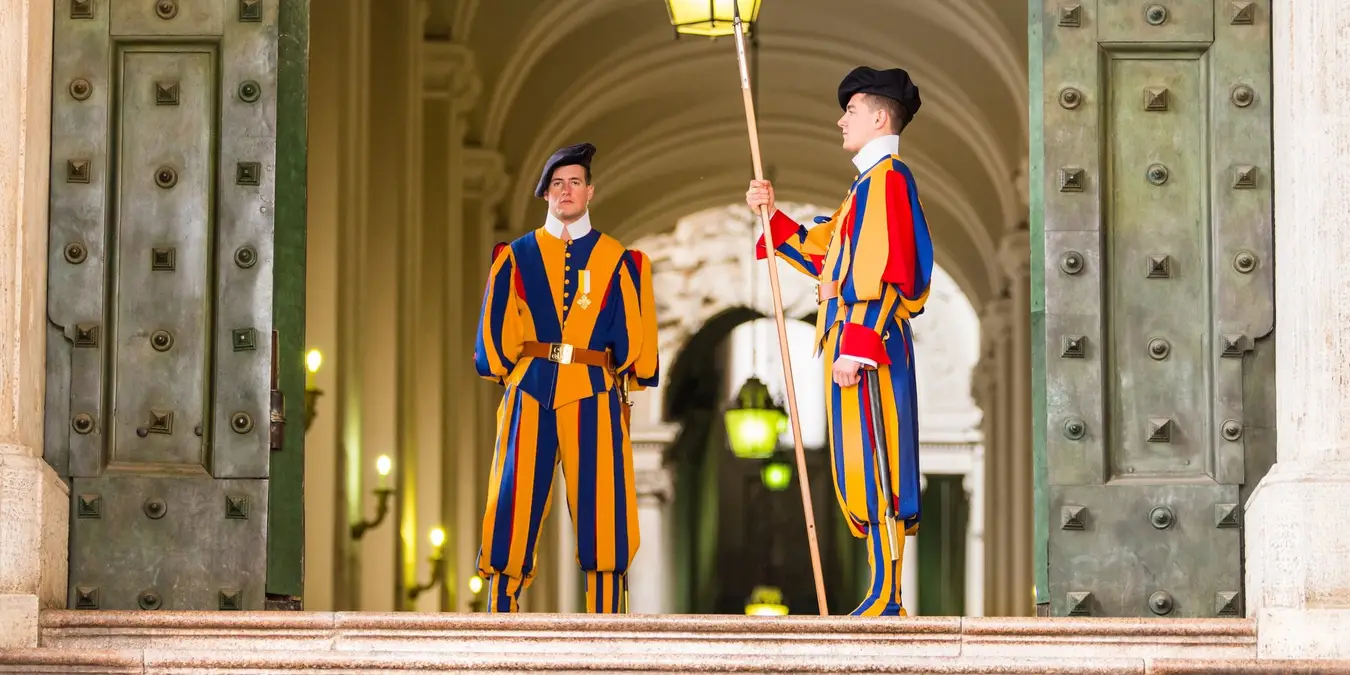
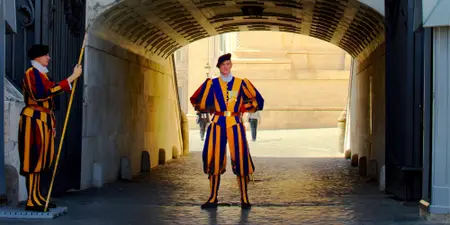
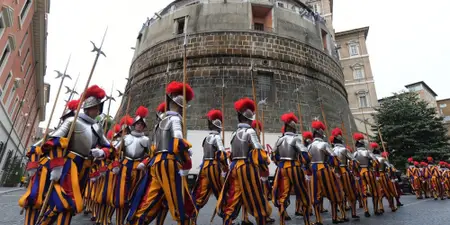
The Swiss Guard — the world's smallest army, with one of its most eventful pasts
Are the stories on this site historically documented, or partly legend?
Both, and each page says which is which — the Vatican has genuine documented history alongside popular stories repeated so often they're often mistaken for fact.
What's the most surprising true story about the Vatican most visitors don't know?
That the obelisk in St. Peter's Square travelled to Rome under Roman rule, not Egyptian — a detail most visitors get backwards when they first see it.
Where do most of the Vatican's popular myths actually come from?
A mix of medieval pilgrim accounts, 19th-century travel writing, and modern film and fiction — each added its own embellishments, which is part of why fact and legend are now so tangled together.
Is it worth reading these stories before visiting, or better as background afterwards?
Either works, but reading even a couple beforehand tends to make specific details — a statue, a staircase, a guard's uniform — noticeably more interesting when you actually see them in person.