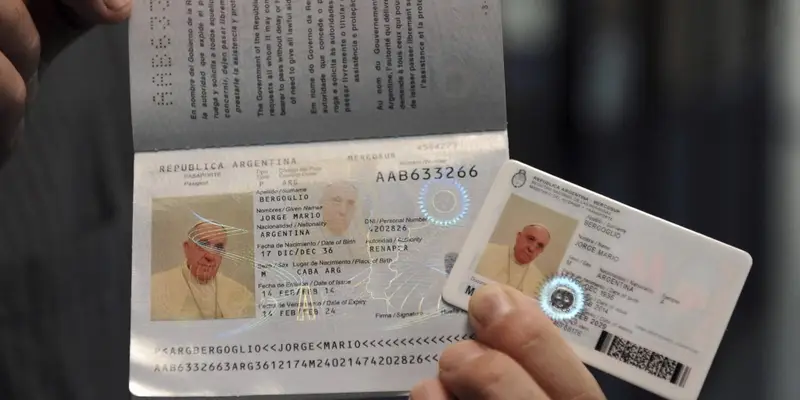

You can't be born a Vatican citizen, and you can't apply for it from outside. It comes with the job.
Citizenship as a function, not a birthright
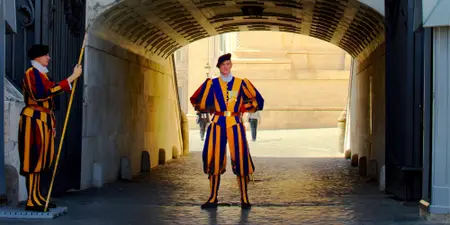
Vatican law grants citizenship almost exclusively to people performing a specific role for the Holy See or the Vatican City State — cardinals resident in Rome, diplomats representing the Holy See abroad, and staff (from Swiss Guards to curial officials) who live or work inside Vatican City because their position requires it.
A country of roughly 800 citizens, most of whom don't live there
Vatican citizenship numbers only in the hundreds — small even by the standards of the world's smallest state — and a meaningful share of citizens, particularly diplomats and cardinals, hold it while living elsewhere entirely, in Rome or abroad on Church business.
Temporary by design
Unlike almost every other citizenship on Earth, it isn't passed to children and generally lapses when the underlying office ends — a Swiss Guard who completes his service, for instance, typically loses Vatican citizenship along with the job.