The history, design and meaning behind specific Vatican sites.
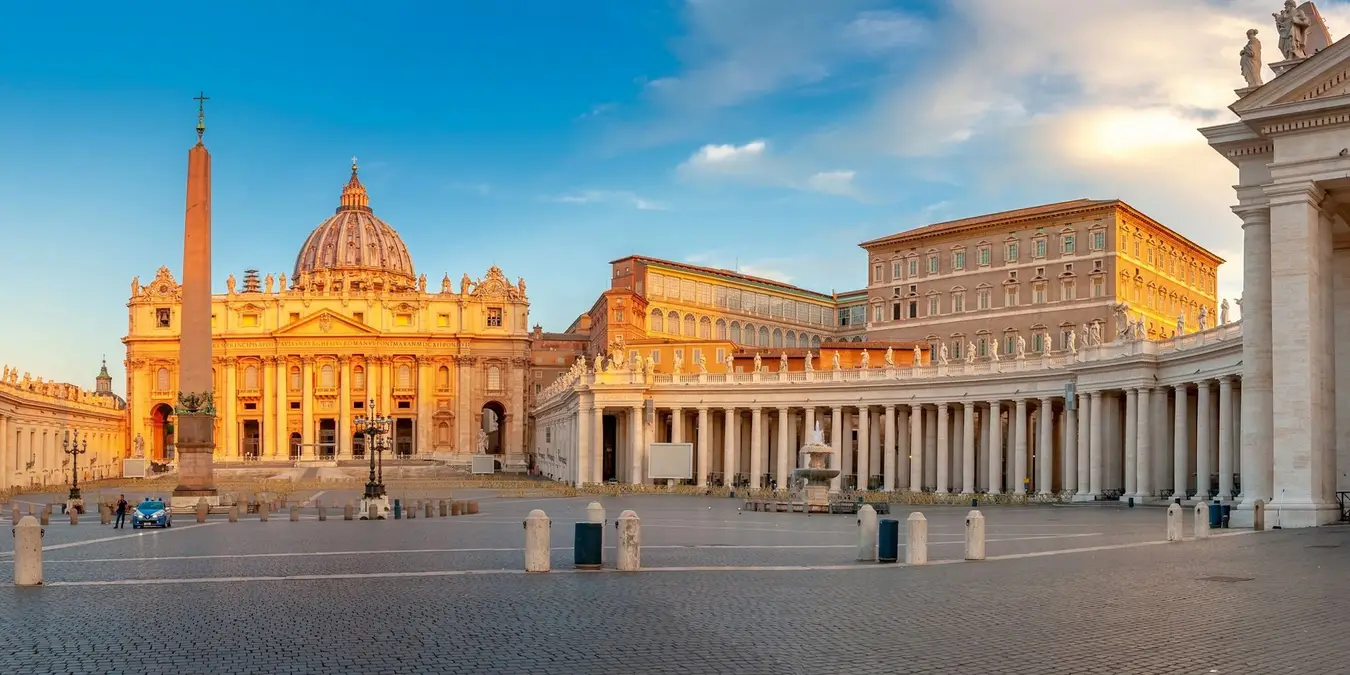
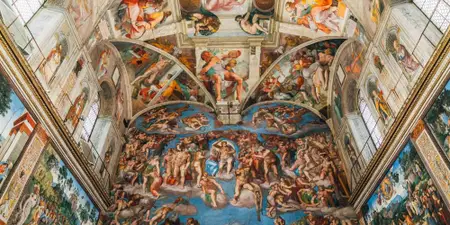
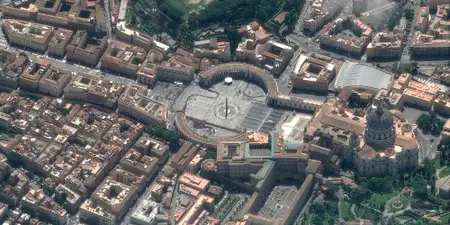
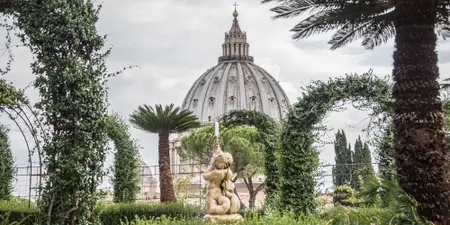
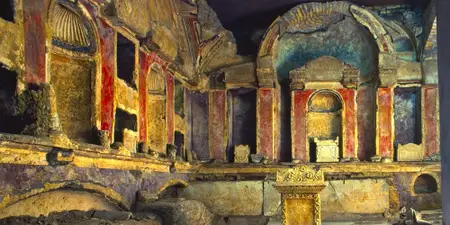
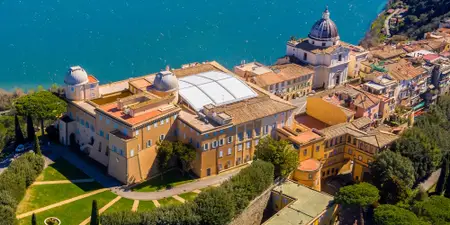
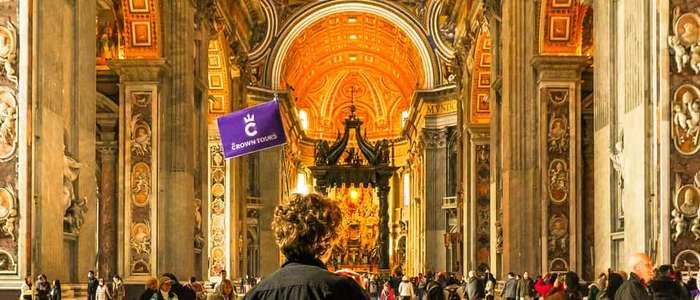
Four places carry the most layered history: the Sistine Chapel (a fortress-chapel with frescoes older than Michelangelo's ceiling), St. Peter's Square (Bernini's deliberately welcoming design), the Vatican Gardens, and the Vatican Necropolis buried beneath the basilica itself.
Oldest place profiledVatican Necropolis (1st century AD)
Newest designSt. Peter's Square colonnade (1660s)
Half of Vatican CityGiven over to the Gardens
Still in active useSistine Chapel — every papal conclave
Four sites, each shaped by a different century, together explain most of what makes the Vatican look and feel the way it does.
Older than they first appear
A fortress-chapel frescoed thirty years before Michelangelo, an ellipse-shaped square designed to feel like an embrace, a garden covering half a sovereign state, and a Roman street of tombs buried under a basilica — each has a story well beyond what a single visit reveals.
Each of these four has a practical, how-to-visit counterpart elsewhere on the site — these pages are about what a place means and how it came to look this way, not when it's open or how to book it.
Which Vatican place has the longest history, older than its famous artwork?
The Sistine Chapel itself — it functioned as a fortress-chapel for decades before Michelangelo ever painted the ceiling, often the last addition to a much older structure.
Can visitors see all four of these places on one visit?
Not usually — the Necropolis needs a separate, advance-booked tour, so most first-time visitors manage the Sistine Chapel, St. Peter's Square and the Gardens together and leave the Necropolis for a dedicated trip.
Is St. Peter's Square designed to have a specific effect on visitors?
Yes — Bernini shaped its colonnade deliberately to feel like open arms welcoming visitors in, a design choice still discussed by architects today.
Why is the Vatican Necropolis harder to visit than the other Vatican sites?
Because it's an active archaeological site beneath the Basilica with limited daily capacity — visits are by small guided group only, booked directly with the Vatican and often weeks in advance.