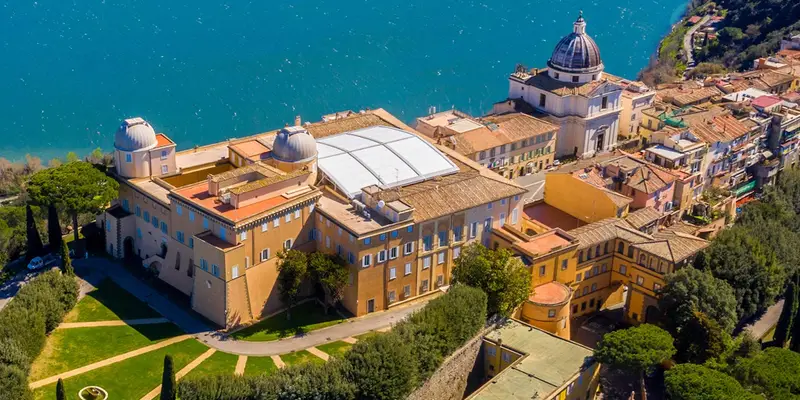
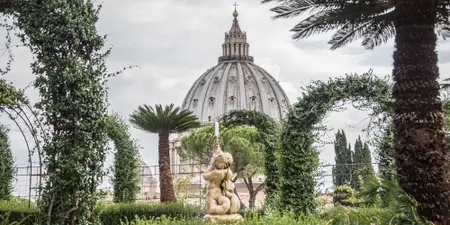
Castel Gandolfo is the pope's summer residence in the Alban Hills southeast of Rome — extraterritorial Vatican property since the 1929 Lateran Treaty, home to a 17th-century Apostolic Palace and gardens that Pope Francis opened to the public for the first time in 2016.
Twenty-five kilometres from the Vatican, on a hilltop above a volcanic lake, sits a palace that's still legally part of it.
A retreat with the Vatican's own legal status
Like Vatican City itself, Castel Gandolfo was granted extraterritorial status under the Lateran Treaty of 1929 — meaning the grounds are sovereign Vatican territory despite sitting well outside Rome, in the Alban Hills overlooking Lake Albano.
Centuries as a papal escape from Roman summers
Pope Urban VIII commissioned the Apostolic Palace in the 1620s as a retreat from Rome's oppressive summer heat, a role it played for nearly every pope from then until Pope Francis, who chose not to use it as a residence and opened it to the public instead.
From private retreat to public museum
Since 2016, visitors can tour the palace's papal apartments and the formal gardens — including the grounds of the former Vatican Observatory, which operated a telescope here for decades before relocating its main research operations to Arizona.