The individuals whose lives — not just their work — shaped what visitors see today.
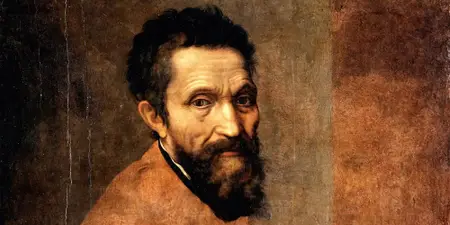
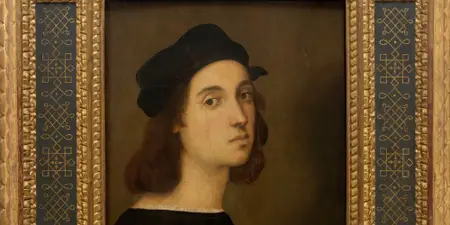
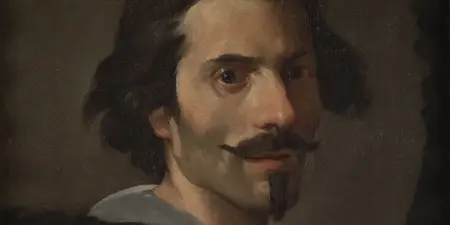
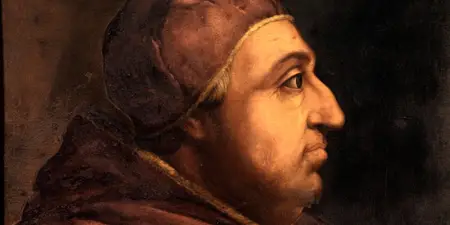
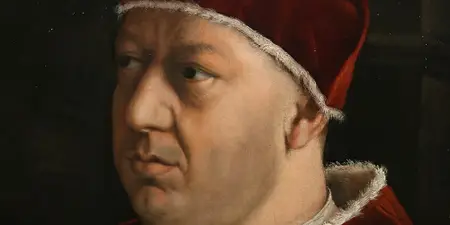
Five figures explain most of what's on view at the Vatican: the fisherman-turned-apostle Peter, the warrior pope Julius II who commissioned almost everything, and the three artists he and his successors hired — Michelangelo, Raphael and Bernini.
Most influential patronPope Julius II (r. 1503–1513)
Artists profiledMichelangelo, Raphael, Bernini
Buildings and paintings don't explain themselves — the people behind them do.
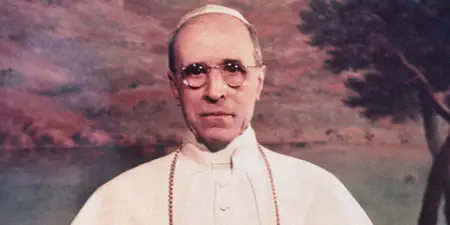
Not a list of every pope
Hundreds of popes have sat in Rome; almost none get a dedicated profile here. These pages exist only for figures whose personal choices visibly shaped what's on view today.
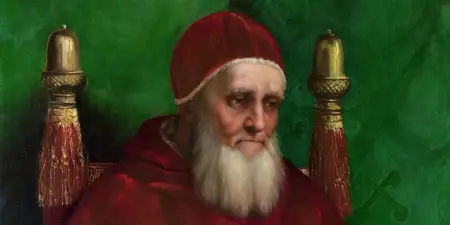
Julius II — the "Warrior Pope" who commissioned almost everything visitors come to see
Michelangelo — the ceiling, the Last Judgment, and finally the dome
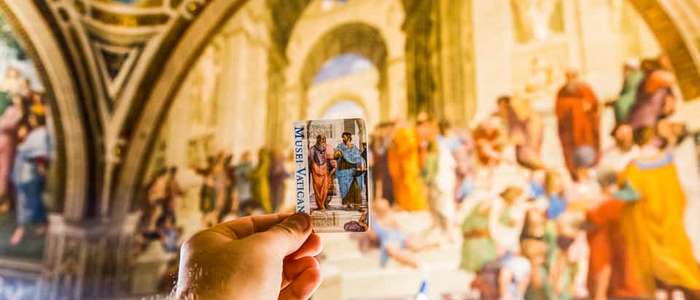
Raphael — the Stanze, painted before his sudden death at 37
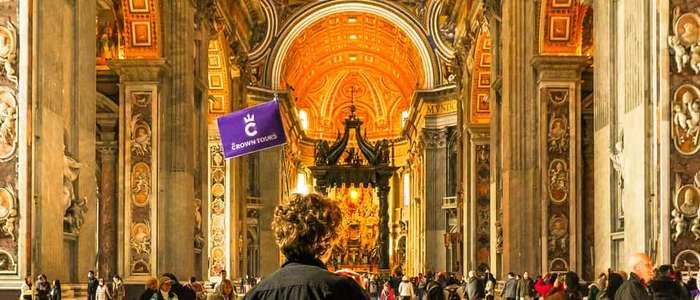
Bernini — the Baldacchino and the square's embracing colonnade, a century later
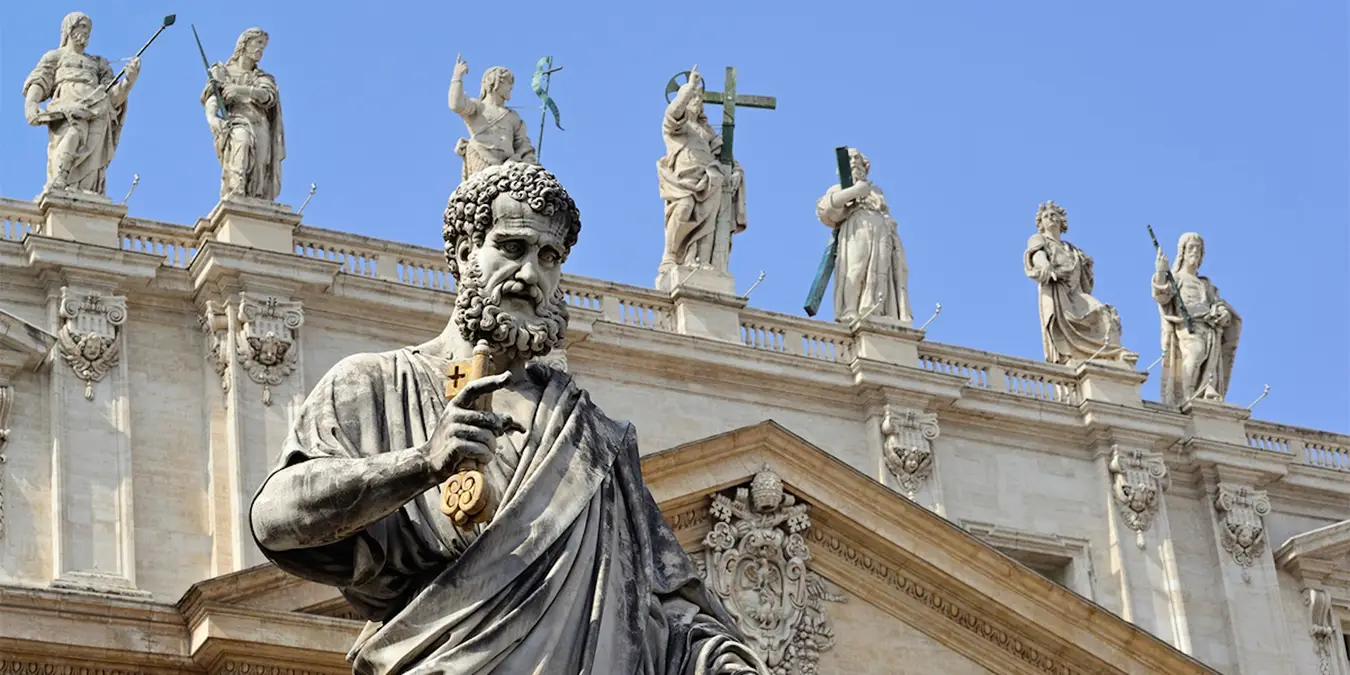
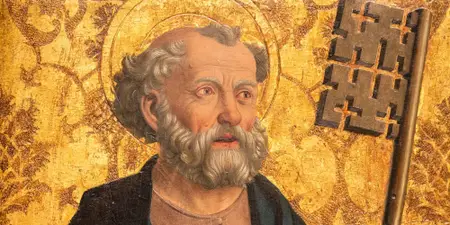
Saint Peter — the reason any of this exists at all
Which Vatican figure is most worth knowing about before a visit?
Julius II, if you only pick one — he commissioned almost everything visitors come to see, from Michelangelo's ceiling to the rebuilding of St. Peter's Basilica itself.
Did Michelangelo, Raphael and Bernini all work at the Vatican at the same time?
No — Michelangelo and Raphael overlapped under Julius II in the early 1500s, while Bernini's major Vatican work came over a century later, under different popes entirely.
Is Saint Peter actually buried at the Vatican?
Tradition and archaeological evidence both place his tomb beneath St. Peter's Basilica, in the Vatican Necropolis — the reason the Basilica was built on this specific site in the first place.
Are any of these figures' original works still visible exactly where they made them?
Yes — Michelangelo's Sistine Chapel ceiling and Bernini's Baldacchino are both still in their original locations, unlike many artworks that have moved between collections over the centuries.