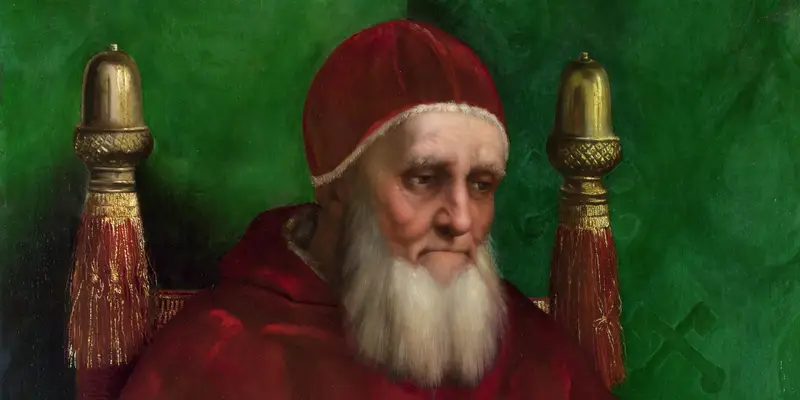
Nicknamed "the Warrior Pope" for personally leading military campaigns, Julius II (r. 1503–1513) is also the single most important patron in Vatican history — the man who commissioned Michelangelo's ceiling, Raphael's Stanze, and the complete rebuilding of St. Peter's Basilica.
CommissionedSistine ceiling, Raphael's Stanze, new St. Peter's Basilica
Nickname"Il Papa Guerriero" — the Warrior Pope
Without this one pope's ambition, the Vatican most visitors picture wouldn't exist.
A pope who led armies
Unusually for the office, Julius II personally led military campaigns to expand and defend the Papal States, a combativeness contemporaries both admired and criticised — a satirical dialogue of the era, traditionally attributed to Erasmus, imagined him being refused entry to Heaven.
The single biggest patron in Vatican history
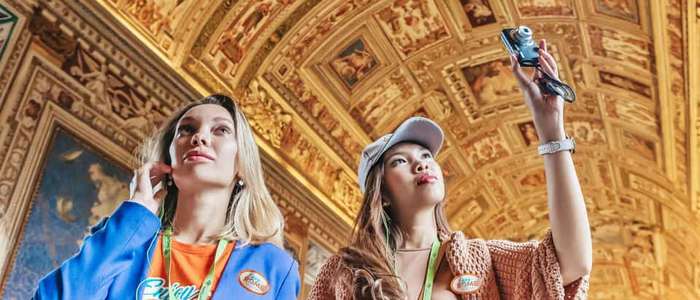
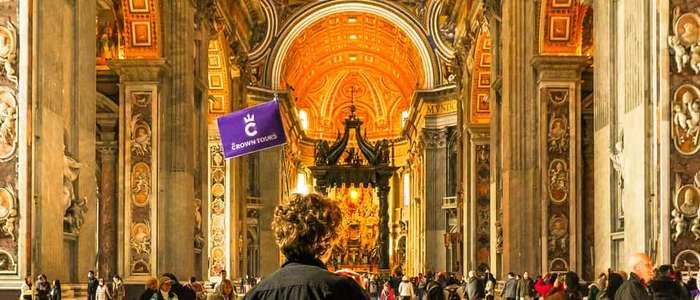
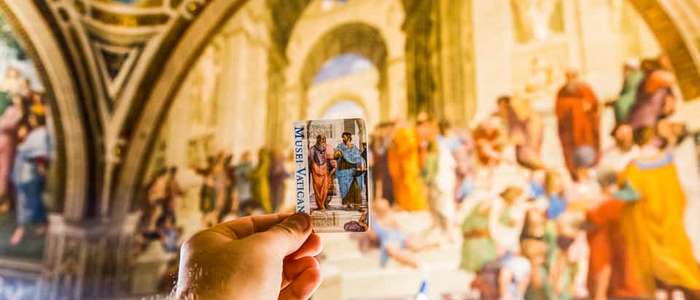
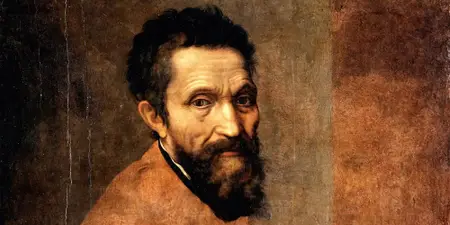
In the same decade, he commissioned Michelangelo's ceiling, summoned Raphael to fresco his apartments, and began demolishing the 1,200-year-old basilica to build the one standing today.
Why is Julius II considered so important to Vatican art?
Almost every major Renaissance commission most visitors come to see — the ceiling, the Stanze, the new basilica — was started under his single ten-year reign.
Was Julius II actually a military leader, or is "Warrior Pope" a nickname exaggeration?
He genuinely led troops in the field to expand papal territory, an almost unheard-of role for a pope, which is exactly why the nickname stuck.
Did Julius II get along with the artists he commissioned?
Not always smoothly — his relationship with Michelangelo in particular was famously tense, marked by disputes over pay and timelines even as the ceiling took shape.