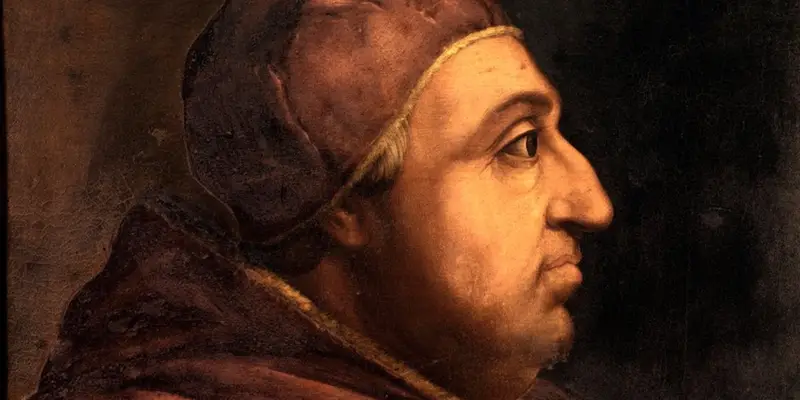
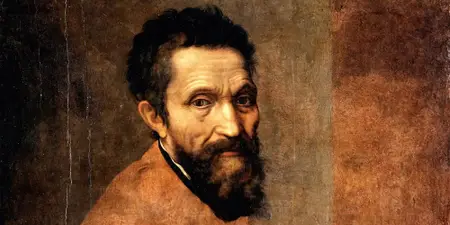
Pope Alexander VI (Rodrigo Borgia, r. 1492–1503) is history's most notorious pope — a shrewd political operator who openly acknowledged his children, including Cesare and Lucrezia Borgia, and used the papacy to advance his family's power.
Notable childrenCesare Borgia, Lucrezia Borgia, and others
ReputationNepotism, political ruthlessness, alleged poisonings
Vatican legacyCommissioned the Borgia Apartments, frescoed by Pinturicchio
No pope's name is more synonymous with scandal — and much of the reputation is earned.
A career built on ambition
Rodrigo Borgia rose through the Church hierarchy largely through the influence of his uncle, Pope Callixtus III, before securing the papacy in 1492 amid widespread contemporary accusations of bribing the College of Cardinals.
A pope who was openly a father
Unlike predecessors who kept such things quiet, Alexander VI openly acknowledged several children, most famously Cesare and Lucrezia Borgia, and used papal power and territory to advance their political fortunes across Italy.
A patron despite the reputation
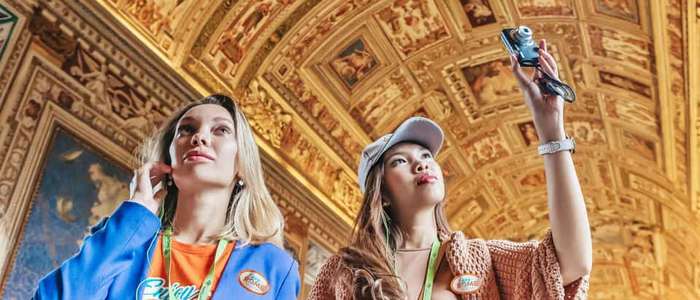
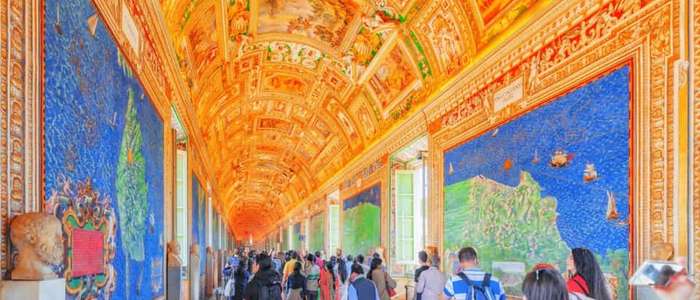
He still commissioned real art that survives today, including the Borgia Apartments in the Vatican Museums, frescoed by Pinturicchio — a reminder that Renaissance popes were political rulers and patrons of the arts at once, whatever their personal conduct.
Yes — he openly acknowledged several, including Cesare and Lucrezia Borgia, and promoted their interests using papal authority.
Is the Borgia reputation for poisoning rivals accurate?
Many specific poisoning stories are unverified or later exaggeration, but the family's ruthlessness in Italian power politics is well documented from contemporary sources.
Can you still see anything Alexander VI commissioned?
Yes — the Borgia Apartments, frescoed by Pinturicchio, are part of the Vatican Museums today.