It sounds like the plot device of a thriller. It's an actual, walkable structure, and it once saved a pope's life for real.
An escape route built centuries before it was needed
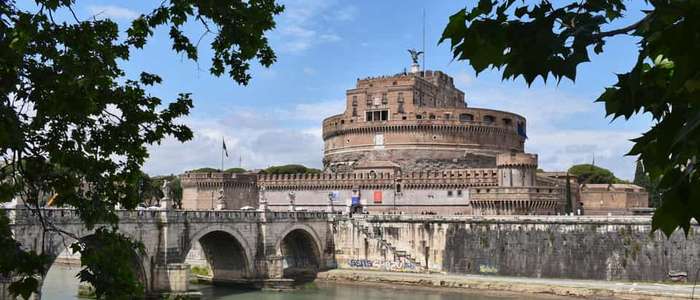
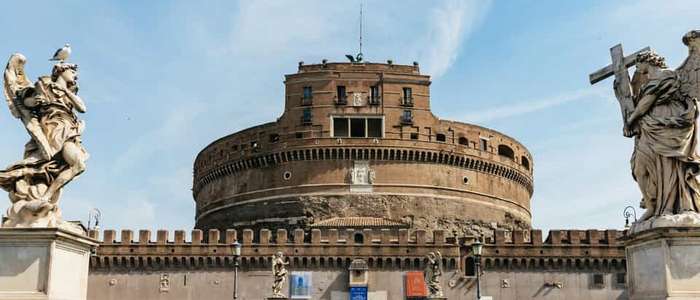
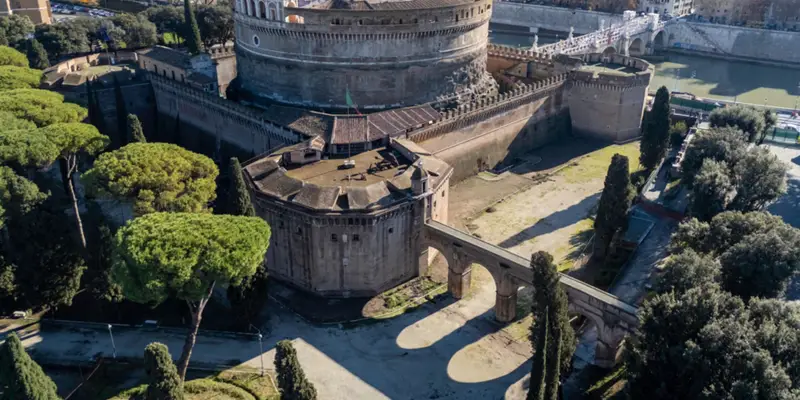
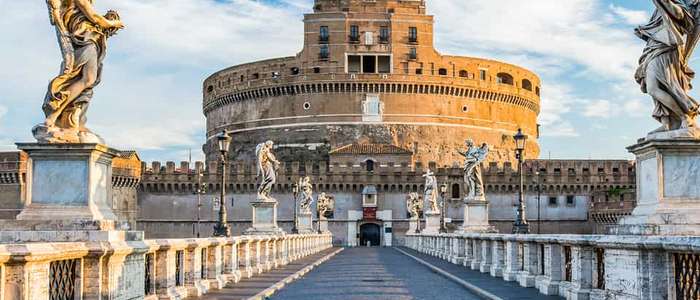
Pope Nicholas III had the elevated fortified corridor built in the 1270s, linking the Vatican directly to Castel Sant'Angelo — Rome's ancient mausoleum-turned-fortress — specifically so a pope under threat could reach a defensible stronghold without ever setting foot on an open street. It's one of the Vatican's best-documented “secret” features, covered briefly in our roundup of Vatican mysteries — this is the full story.
The night it was actually used
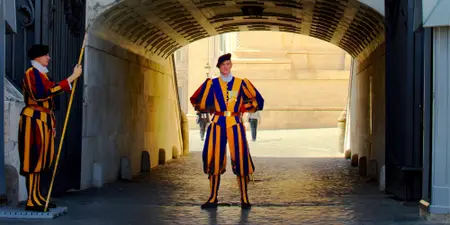
During the Sack of Rome in May 1527, mutinous troops of Charles V stormed the city; Pope Clement VII fled through the Passetto to Castel Sant'Angelo as Swiss Guards held the Vatican steps behind him, in the same defense still commemorated by the Guard today — buying him exactly enough time to reach safety.
What's there now
The corridor still stands largely intact. Public access is limited and inconsistent — sections open occasionally through guided tours run via Castel Sant'Angelo rather than the Vatican itself, so it's worth checking current availability rather than counting on a visit.