Ancient Vatican: What Was There Before Christianity?
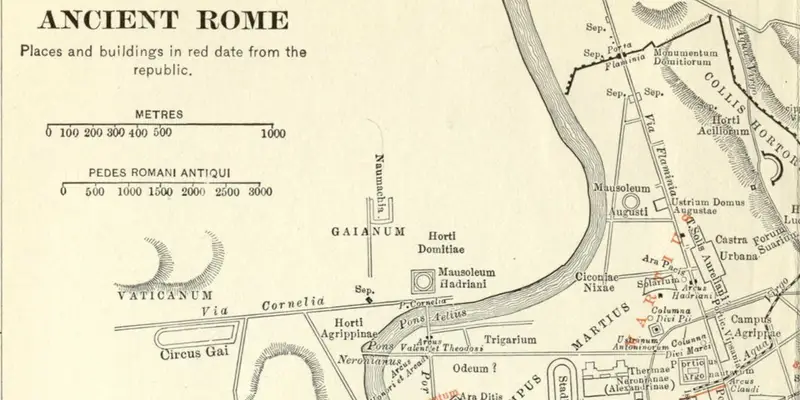
Long before Christianity, the low-lying west bank of the Tiber known as the Ager Vaticanus held a Roman circus, scattered villas and shrines, and a mixed pagan-and-Christian cemetery — not a city, and nothing like the Vatican we know today.
Main featuresA circus (Nero's/Caligula's) and a necropolis
StatusMarshland outside Rome, considered unhealthy
What survives todayOnly underground, in the Vatican Necropolis excavations
Ancient Romans did not think much of the area we now call the Vatican.
A marshy district, not a neighbourhood
The Ager Vaticanus sat outside the sacred boundary of Rome proper, on ground the Romans considered damp and unhealthy — the kind of place you put a circus and a cemetery, not a home.
Nero's Circus
Emperor Nero built a circus (chariot-racing stadium) there, later associated with the persecution of Christians under his reign, including — tradition holds — the apostle Peter.
The necropolis beneath everything
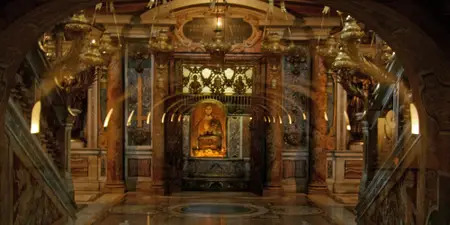
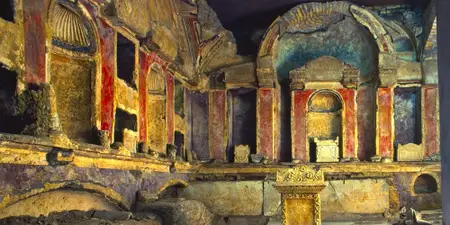
Alongside the circus, a necropolis grew on the hillside: rows of family tombs, pagan and Christian side by side, that would remain hidden under St. Peter's Basilica until 20th-century excavations rediscovered them.
Was there ever a city called 'Vatican' in Roman times?
No — it was open land with a circus and a cemetery, not a settlement. The name survives from the district (Ager Vaticanus), not a city.
What was the Roman circus on the Vatican Hill used for?
Chariot races and public spectacles, including — according to tradition — the executions under Nero where Peter is said to have died.
Why was the area considered undesirable in ancient Roman times?
Its marshy, low-lying ground and reputation as an unhealthy district kept it outside Rome's fashionable core, which is partly why it was used for cemeteries rather than grand residences.