For over a thousand years, the pope wasn't just a religious leader — he was a head of state ruling a real country across central Italy.
A kingdom in all but name
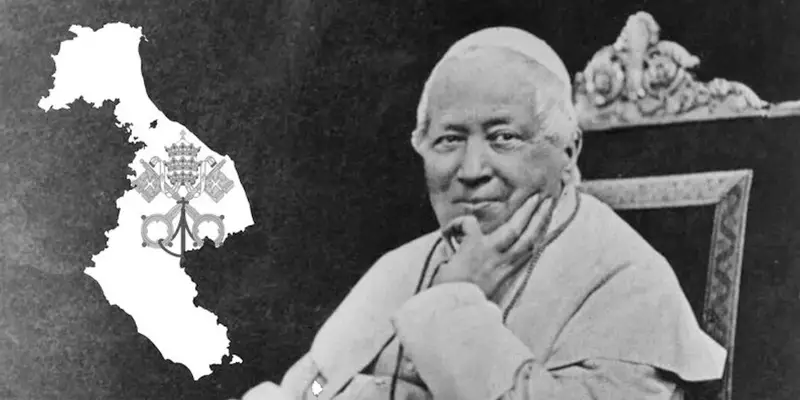
The Papal States traced back to the 8th century and, at their height, stretched across a broad band of central Italy, with the pope as an absolute temporal ruler in addition to his religious authority — an arrangement that lasted for over a millennium.
Swallowed by a unifying Italy
As the movement to unite Italy into a single kingdom gathered pace through the 1860s, Italian forces annexed papal territory piece by piece, leaving Pope Pius IX with little more than Rome itself by the end of the decade.
The capture of Rome
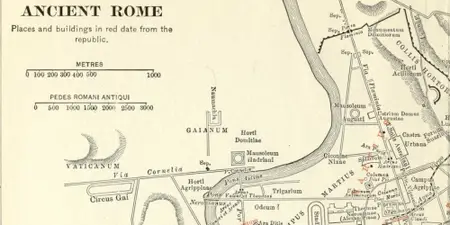
On 20 September 1870, Italian troops breached the ancient Aurelian Walls at Porta Pia and took the city, ending over a thousand years of papal temporal rule in a single day. Pius IX retreated into the Vatican and refused to recognize Italy's authority, styling himself a “prisoner in the Vatican” — a stance his successors held for almost 60 years, until the Lateran Treaty finally settled the dispute in 1929.