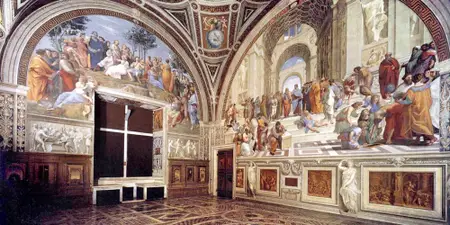
Renaissance popes turned a medieval papal residence into the artistic and architectural complex visitors recognise today — commissioning the Sistine Chapel ceiling, Raphael's frescoed rooms, and an entirely new St. Peter's Basilica to replace Constantine's ancient one.
Almost everything visitors come to see at the Vatican dates from a roughly 50-year burst of activity.
Sixtus IV and the chapel that bears his name
Pope Sixtus IV built the Sistine Chapel in the 1470s–80s as the pope's private chapel — decades before Michelangelo ever painted its ceiling.
Julius II's ambitious rebuilding
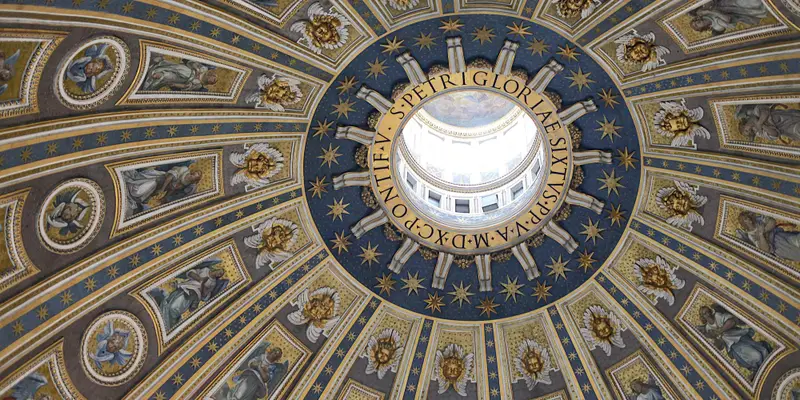
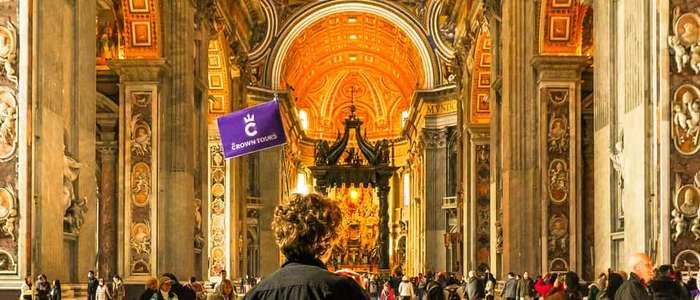
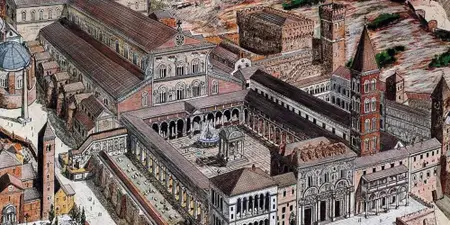
Julius II judged Constantine's 1,200-year-old basilica beyond saving and, in 1506, began the present St. Peter's — one of the boldest building projects of the age.
Michelangelo, Raphael and a new golden age
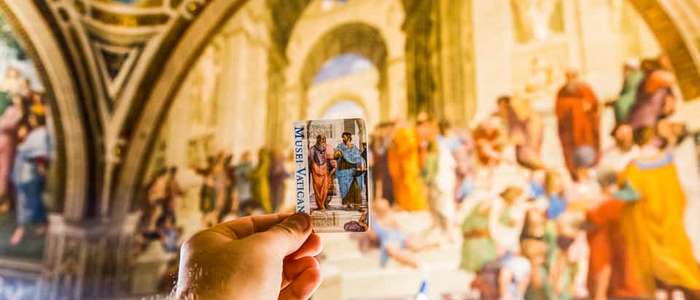
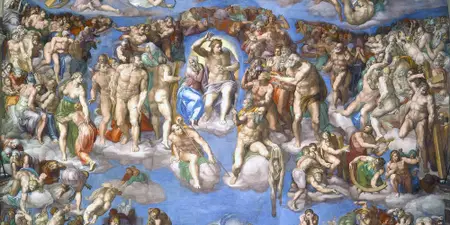
The same decades brought Michelangelo's ceiling and Raphael's Stanze, cementing the Vatican's reputation as the centre of Renaissance art.
Why did the Renaissance popes rebuild St. Peter's instead of repairing it?
By 1500, the 1,200-year-old Constantinian basilica had serious structural problems, including a leaning wall — popes judged a full rebuild safer and more prestigious than repair.
How long did the Renaissance rebuilding of St. Peter's Basilica take?
Well over a century, spanning multiple popes and architects from the early 1500s to the building's consecration in 1626.
Which pope started the rebuilding, and did he see it finished?
Julius II began it in 1506; he didn't live to see it completed — the project outlasted him by more than a hundred years.