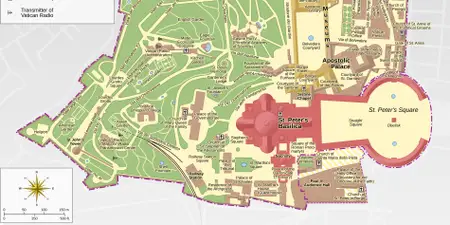
When a pope dies or resigns, the papacy sits vacant while cardinals under 80 gather in Rome, then enter a sealed conclave in the Sistine Chapel to vote until one candidate wins two-thirds support — announced to the world by white smoke and the words “Habemus Papam” from a balcony over St. Peter's Square.
Who gathers firstAll cardinals, for pre-conclave meetings
Who actually votesCardinal electors under age 80, capped at 120
AnnouncementWhite smoke, then “Habemus Papam” from St. Peter's balcony
Between one pope and the next, the Catholic Church runs on a process largely unchanged for centuries.
The vacancy begins
The papacy becomes vacant, or “sede vacante,” the moment a pope dies or resigns — as Benedict XVI did in 2013 — triggering a fixed set of rituals and a countdown to the conclave itself.
Not every cardinal gets a vote
All cardinals attend preliminary meetings to discuss the Church's needs, but only cardinal electors under age 80, capped at 120, actually enter the conclave to vote — a rule introduced by Paul VI in the 1970s to keep the voting body from growing indefinitely.
Voting until a winner emerges
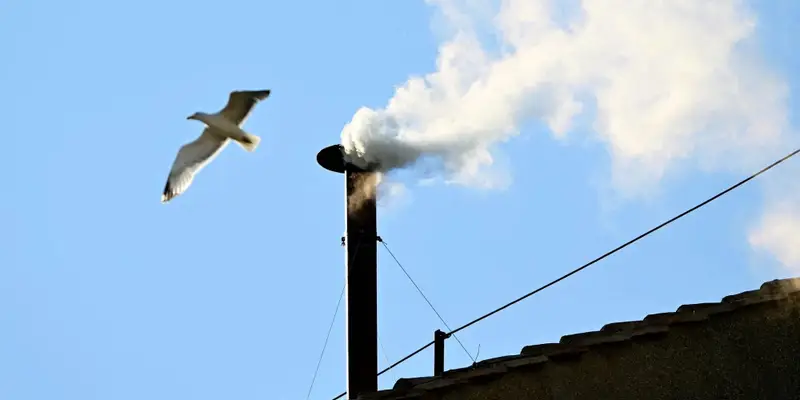
Cardinals vote in rounds until one candidate reaches a two-thirds majority; ballots are burned after each round, black smoke signalling no decision yet.
The moment the world finds out
White smoke means a pope has accepted election. Shortly after, the senior cardinal deacon appears on St. Peter's Basilica's central balcony to announce “Habemus Papam” — “We have a pope” — before the new pope himself appears.
How long does it usually take to elect a new pope?
Most conclaves in the last century have concluded within two to four days of voting, though there's no fixed time limit.
Do all cardinals get to vote for the new pope?
No — only cardinal electors under age 80, with the voting body capped at 120, actually cast ballots in the conclave itself.
What does 'Habemus Papam' mean, and when is it said?
It's Latin for 'We have a pope' — announced from St. Peter's Basilica's balcony by the senior cardinal deacon shortly after a candidate accepts election.