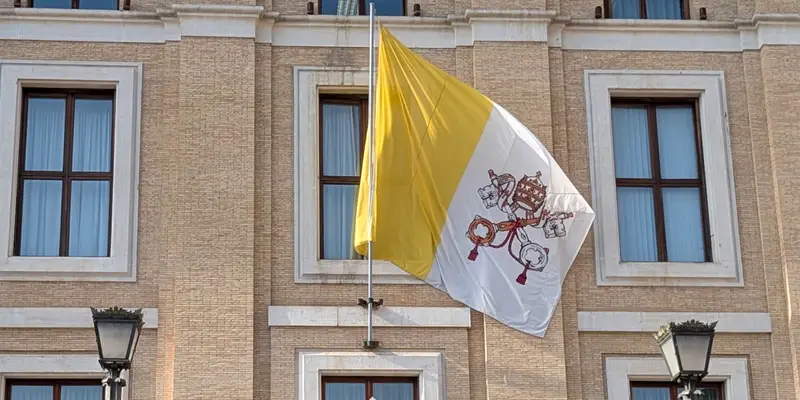
The Vatican matters for three overlapping reasons: it is the spiritual center of the Catholic Church for 1.3+ billion people, it holds one of the world's greatest concentrations of Renaissance and Baroque art (largely because popes were also major patrons), and it is a sovereign diplomatic actor with relations across the globe.
Religious roleSpiritual leadership for Catholics worldwide
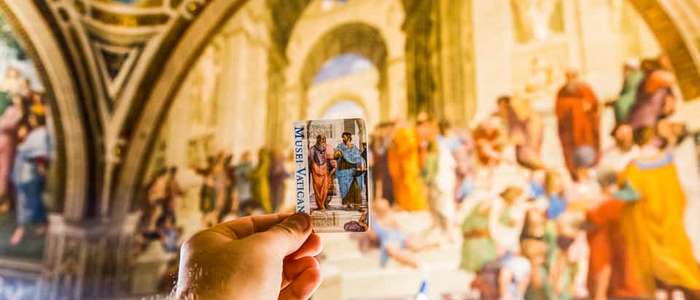
Cultural roleCenturies of papal art patronage — Michelangelo, Raphael, Bernini
Historical roleA continuously operating institution since antiquity
Diplomatic roleRelations with roughly 180 states
Visitors often arrive for one reason and leave having understood three.
Religious significance
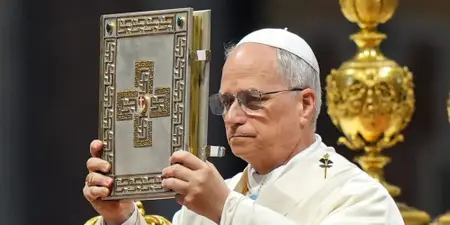
Catholics regard the pope as the successor of Saint Peter and the Church's spiritual leader — a role that makes the Vatican the faith's central reference point.
Cultural significance
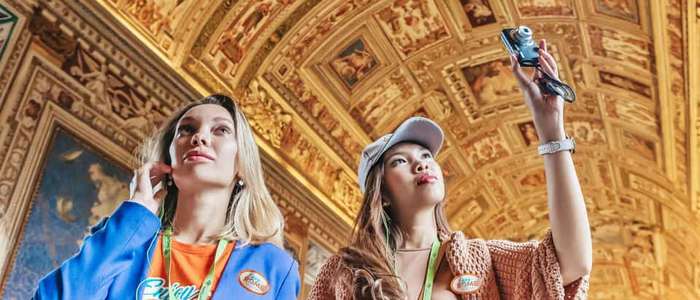
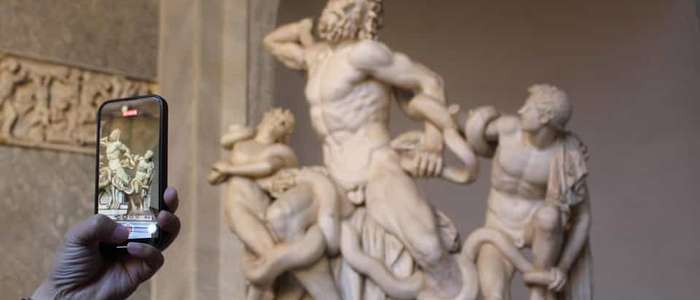
Because popes were also art patrons on a vast scale, the Vatican holds an unusual density of major Renaissance and Baroque commissions in one place.
Historical and diplomatic significance
Few institutions anywhere have operated continuously for as long, and few tiny states carry as much diplomatic weight.
Is the Vatican's importance mainly religious, or does it matter for other reasons too?
Both — alongside its religious role, it's a sovereign state with its own diplomatic relations, and one of the largest concentrations of Renaissance and Baroque art anywhere, a byproduct of centuries of papal patronage.
Does the Vatican's importance extend beyond the Catholic Church itself?
Yes — its diplomatic and cultural weight reaches well beyond its own members, from its role in international relations to its influence on Western art history.
Would the Vatican still matter historically if it lost its religious role today?
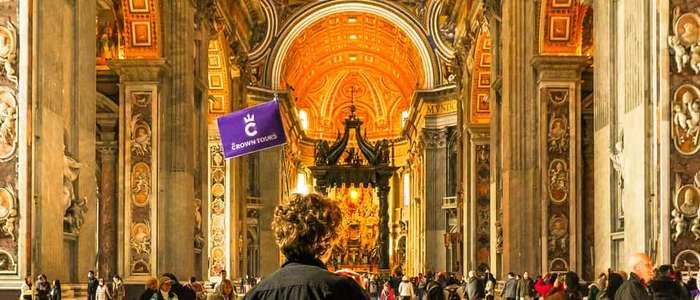
Its art and architecture alone would keep it historically significant — the Sistine Chapel and St. Peter's Basilica are landmarks of Western art independent of any religious function.