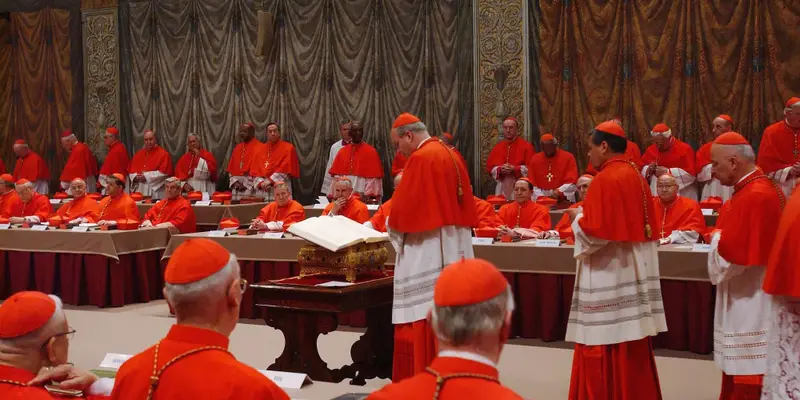
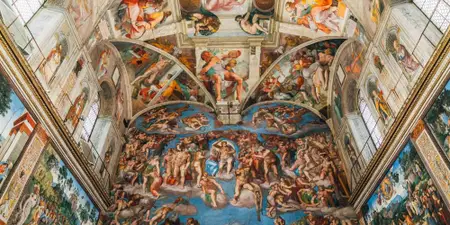
A conclave is the secret meeting of the College of Cardinals, locked inside the Sistine Chapel, to elect a new pope — a process dating back to the 13th century and signalled to the outside world only by the colour of smoke from a chimney: black for no decision, white for “Habemus Papam.”
Result signalWhite smoke = pope elected; black = no decision yet
The word itself explains the process: conclave comes from the Latin cum clave, “with a key” — locked in.
Locked in, literally
The practice dates to a deadlocked 1268–71 papal election in Viterbo, when frustrated local authorities locked the cardinals in and reportedly even removed part of the roof to hasten a decision.
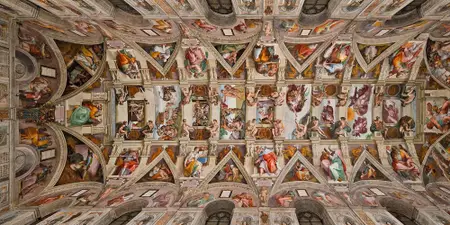
Why the Sistine Chapel
Since the late 15th century, conclaves have been held there — sealed off from outside contact for the duration of the vote.
Smoke signals: how the world finds out
Ballots are burned after each round; since 2005, chemical additives guarantee unambiguous black or white smoke, ending a long history of confused onlookers.
Most conclaves in the last century have concluded within two to four days of voting.
Why is the smoke sometimes hard to read?
Historically, damp straw or poor-quality fuel made the colour ambiguous. Since 2005 specific chemical compounds are added to the ballots to produce a clearly black or white result.
Can the public watch the conclave itself take place?
No — the conclave is entirely private, with cardinals sequestered under oath of secrecy inside the Sistine Chapel; the public only sees the chimney smoke signalling each vote's outcome.