
Discover Vatican’s hidden animal statues – expert tips to spot these artistic treasures effortlessly
Many visitors to the Vatican Museums walk right past some of its most fascinating artworks without realizing it – the remarkable collection of animal statues scattered throughout the galleries. These sculpted creatures, often overlooked in favor of more famous works, tell their own stories about art, history, and symbolism. From ancient Roman marbles to Renaissance masterpieces, these animals represent everything from religious allegories to displays of artistic skill. The challenge lies in knowing where to look among the 7 kilometers of museum corridors. First-time visitors particularly struggle to locate these hidden gems while navigating the crowds and overwhelming collection. Art historians note that about 30% of Vatican visitors miss these details entirely, leaving without appreciating this unique aspect of the collection. Understanding their locations and meanings can transform your museum experience from overwhelming to enlightening.
The significance of animal statues in Vatican art
Animal sculptures in the Vatican Museums serve multiple purposes across different historical periods. During ancient Roman times, animals often symbolized power, deities, or mythological tales. The famous Lion of the Nemea, for instance, represents Hercules’ first labor. Renaissance artists incorporated animals for both naturalistic study and religious symbolism – dogs for fidelity, lambs for sacrifice, or doves for the Holy Spirit. Even the positioning matters; some animals face specific directions for astronomical alignment. These works showcase evolving artistic techniques from classical realism to Baroque dynamism. Many were originally part of private papal collections, displaying the Church’s role as patron of both sacred and secular art. Understanding these contexts helps visitors appreciate what might otherwise appear as mere decorative elements.
Where to find the most notable animal statues
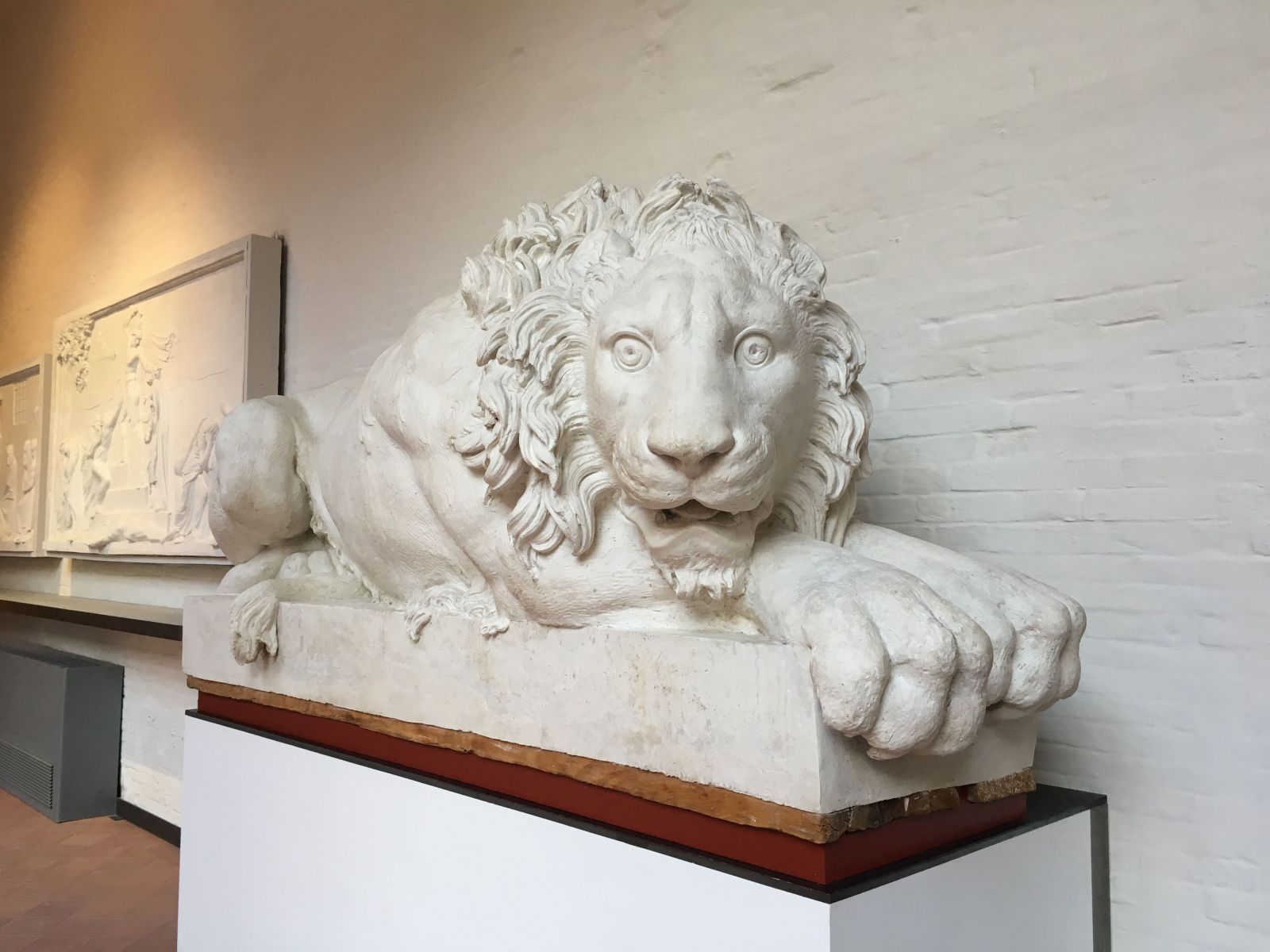
The Gallery of the Candelabra houses several magnificent animal sculptures, including a pair of 2nd-century AD marble lions flanking an archway. In the Pio Clementino Museum, don’t miss the Meleager’s Dog sculpture near the Round Hall. The Chiaramonti Museum corridor contains an exceptional collection of Roman animal statues, while the Egyptian Museum displays sacred animal deities like the jackal-headed Anubis. For Renaissance works, the Raphael Rooms feature subtle animal symbolism in fresco details. Pro tip: The less-crowded early morning hours provide better viewing opportunities for these often-overlooked pieces.
The stories behind Vatican’s most famous animal sculptures
The bronze peacock in the Bramante Courtyard, originally from Hadrian’s Mausoleum, became a symbol of immortality. The 1st-century AD ‘Goat Amalthea’ in the Greek Cross Room relates to Jupiter’s mythological nurturing. Bernini’s dragon in the Vatican Gardens represents the heraldic symbol of Pope Gregory XIII. Each creature carries layers of meaning – the porphyry lions at the museum entrance once guarded an ancient temple, while the marble eagles throughout symbolize both imperial Rome and St. John the Evangelist.
How to photograph Vatican animal statues effectively
While flash photography is prohibited, the Vatican’s strategic lighting actually enhances animal statue details. Side lighting emphasizes texture on fur or feathers. For large sculptures, shoot from a low angle to capture their grandeur. Focus on expressive details like claws or faces. Morning light through certain windows creates dramatic effects in specific galleries. Remember that tripods require special permission, but image stabilization can help in low-light conditions.