
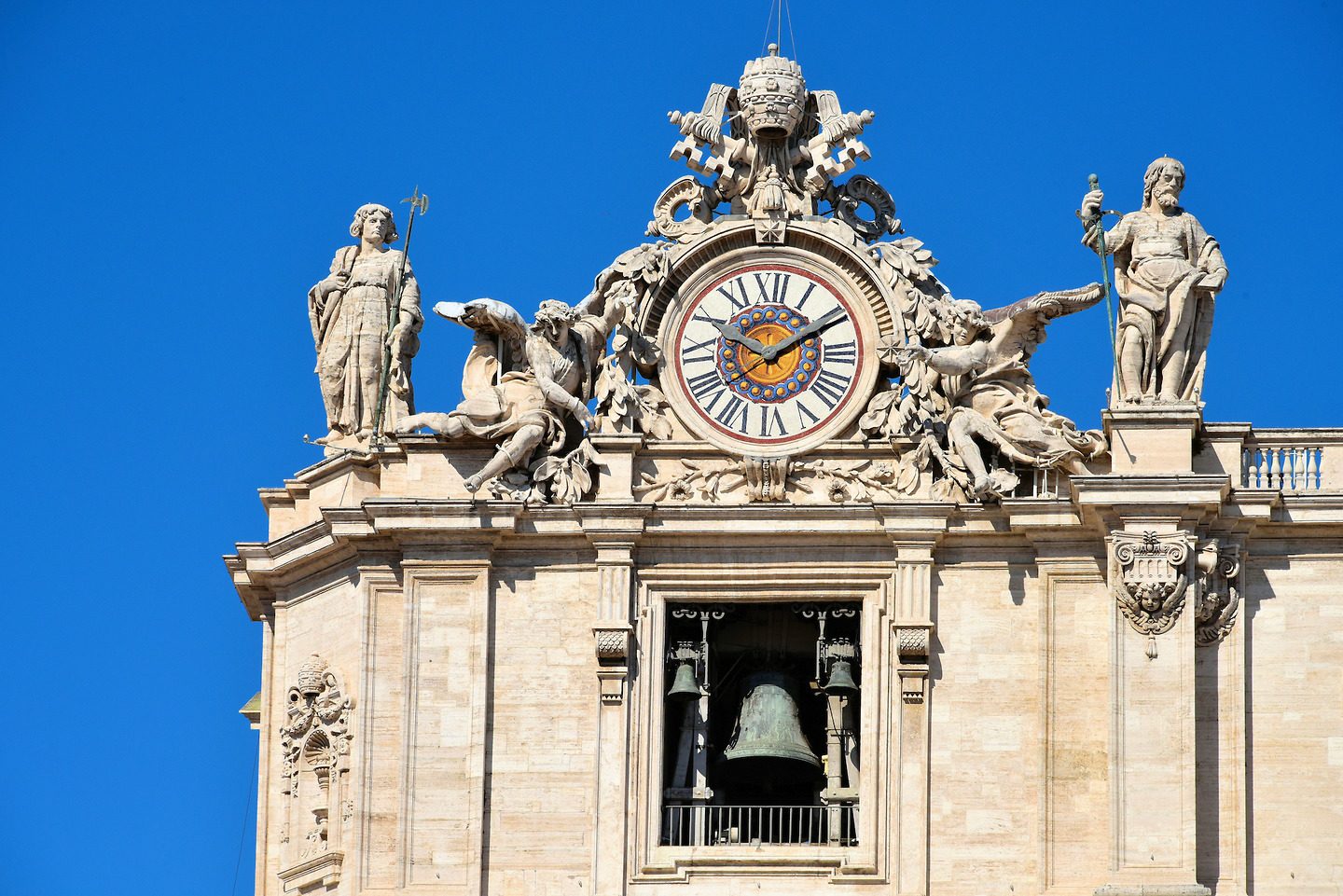
Unlock the secrets of St. Peter’s bells – from ancient rituals to modern-day operations
The bells of St. Peter’s Basilica have marked time, celebrated events, and called the faithful for centuries, yet most visitors never learn their fascinating stories. Towering above Vatican City, these bronze giants represent both spiritual symbolism and remarkable engineering. Many tourists photograph the Basilica without realizing that its six historic bells – the largest weighing nearly 9 tons – follow precise liturgical schedules and technical operations. According to Vatican archivists, over 60% of visitors remain unaware they can witness the noonday Angelus bell ritual, a breathtaking experience when standing in St. Peter’s Square. The complex system of ropes, counterweights, and electronic controls blends tradition with modernity in ways few expect. Understanding this hidden aspect adds depth to any Vatican visit.
The historical evolution of St. Peter’s bells
The current bells date primarily from the 19th and 20th centuries, replacing earlier versions lost to fires and wars. The massive ‘Campanone’ (great bell) was cast in 1785 by Luigi Valadier using bronze from the Pantheon’s ancient portico. Smaller bells like the ‘Ave Maria’ mark canonical hours with distinct tones. Fascinatingly, during the 1870 Papal States crisis, bells became political symbols – their silencing represented temporal power loss. The 20th-century electrification maintained traditional sounds while ensuring reliability. Each bell bears inscriptions documenting its consecration and purpose, creating a metallic archive of papal history.
How the bell system operates today
Modern bell-ringing combines tradition with technology. The five smaller bells operate electronically on programmed schedules, while the Campanone still uses original mechanical systems for special occasions. A team of trained sacristans monitors the complex schedule balancing liturgical needs with civic considerations. The distinctive ‘double strike’ technique creates St. Peter’s unique sound profile. During papal events, special bell sequences announce different ceremony phases. Visitors can best appreciate the system during Wednesday papal audiences when the 11:45 AM bells coincide with the Pope’s arrival in the square.
The art and science of bell-making
Vatican bells follow centuries-old foundry techniques adapted for acoustic perfection. The 80% copper, 20% tin alloy produces their rich tones. Each bell’s profile (thickness, flare, and crown) determines its harmonic series. The ‘sound bowl’ effect of St. Peter’s Square amplifies certain frequencies. Remarkably, temperature changes require slight tuning adjustments – winter makes the bronze contract, raising pitch. The last major restoration in 2006 addressed micro-fractures using non-invasive techniques to preserve historic integrity.
Special bell-related events visitors can experience
Beyond daily tolling, the Easter Triduum features extraordinary bell rituals. On Holy Thursday, all bells fall silent until the Gloria of Easter Vigil – replaced by wooden clappers in some traditions. The Pentecost ‘red bell’ signals the Holy Spirit’s descent. During Jubilee Years, special sequences announce the opening of Holy Doors. For the best experience, position yourself between the obelisk and right-hand fountain when the noon bells ring – this spot optimizes acoustic resonance.